"La Morenita" · "La Tiznadita"
Our Lady of the Rosary of Guasá
The Virgin I honor is Our Lady of the Rosary of Guasá, patroness of the salt miners and one of the most beloved devotions in Zipaquirá. The miners also called her La Morenita and La Tiznadita, because her image accompanied the darkness, dust, and risk of the mine for decades.
Who is Our Lady of Guasá?
The word Guasá comes from the ancient Muisca language. One of the first mine shafts was called Guasa, and another Potosí; at the entrance to the great Potosí chamber the miners placed the image and began venerating her under the title Our Lady of the Rosary of Guasá. The Virgin's name is not arbitrary: it is born from the concrete mining landscape and the spirituality of underground work.
She was not an official image brought from Spain. She was the Virgin of the people. The Virgin of the miners. To the workers she was simply La Morenita.
Popular tradition added two deeply expressive nicknames: "La Morenita" and "La Tiznadita." Both names refer to the darkening of the image from the dust, gases, and environment of the mine, and at the same time bring her closer to the real life of the workers who adopted her as mother, protector, and companion of the workday.
Daniel Rodríguez Moreno
Daniel Rodríguez Moreno was a deeply devout miner with a passion for modeling. During the 1930s he began organizing prayers inside the mine. His dream was simple: he did not want merely a place to pray. He wanted a true underground sanctuary.
The small image was commissioned by the miners from Daniel, their companion in the mine. The most widespread tradition says the Virgin was made of polychrome terracotta, initially placed on the Potosí level of the mine, and that her presence inspired the first underground Masses.
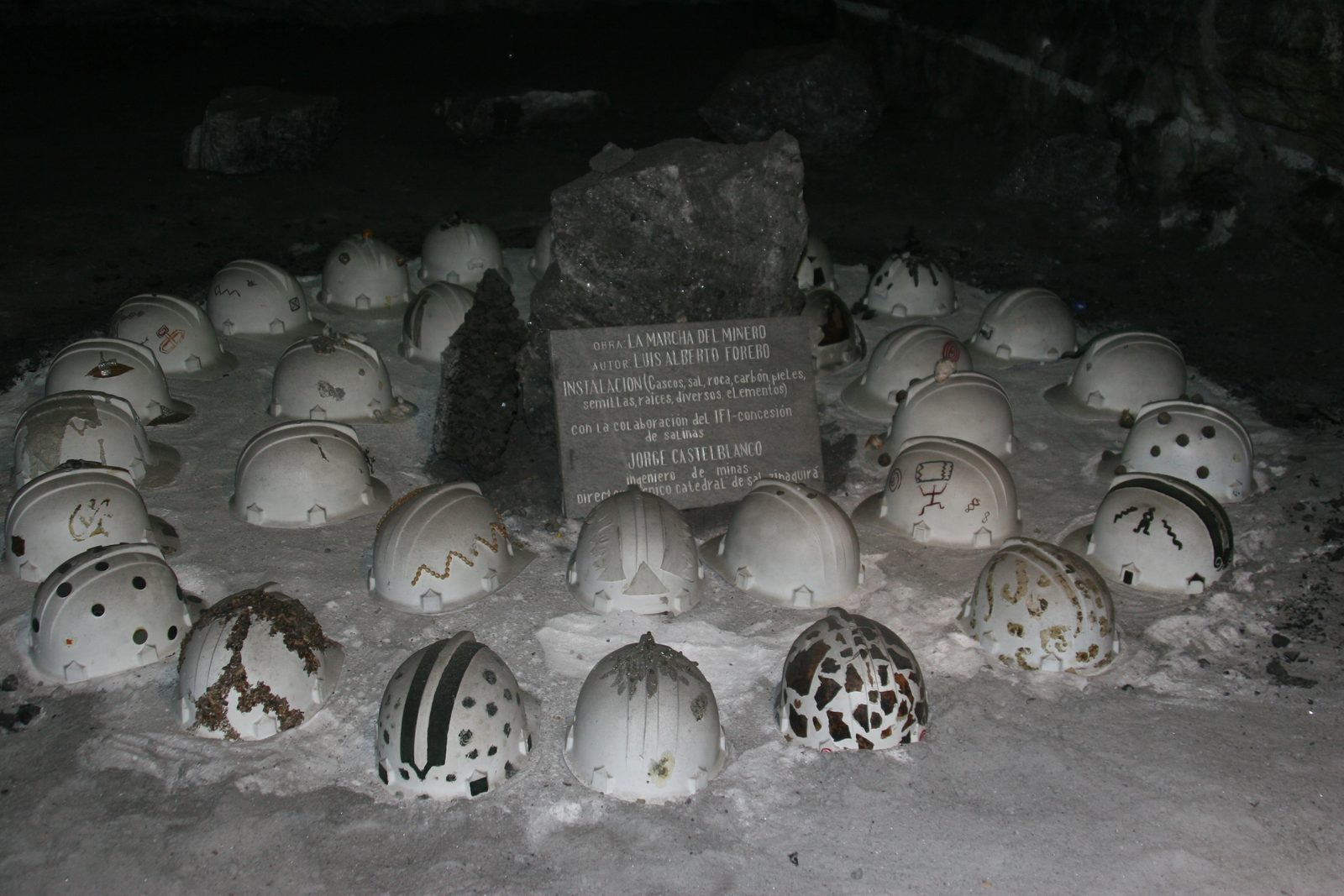
The Potosí Level
In an old mining gallery known as the Potosí Level, Daniel Rodríguez Moreno installed a small chapel. It was very humble. There the first religious celebrations began. The miners would go down before starting work. They prayed. They asked for protection. They entrusted their families.
The first Eucharists were extremely simple. There was no great church. Only a space carved into the rock, an altar, a few images, and a great deal of faith. Those celebrations were the origin of the entire Salt Cathedral.
Timeline of the devotion
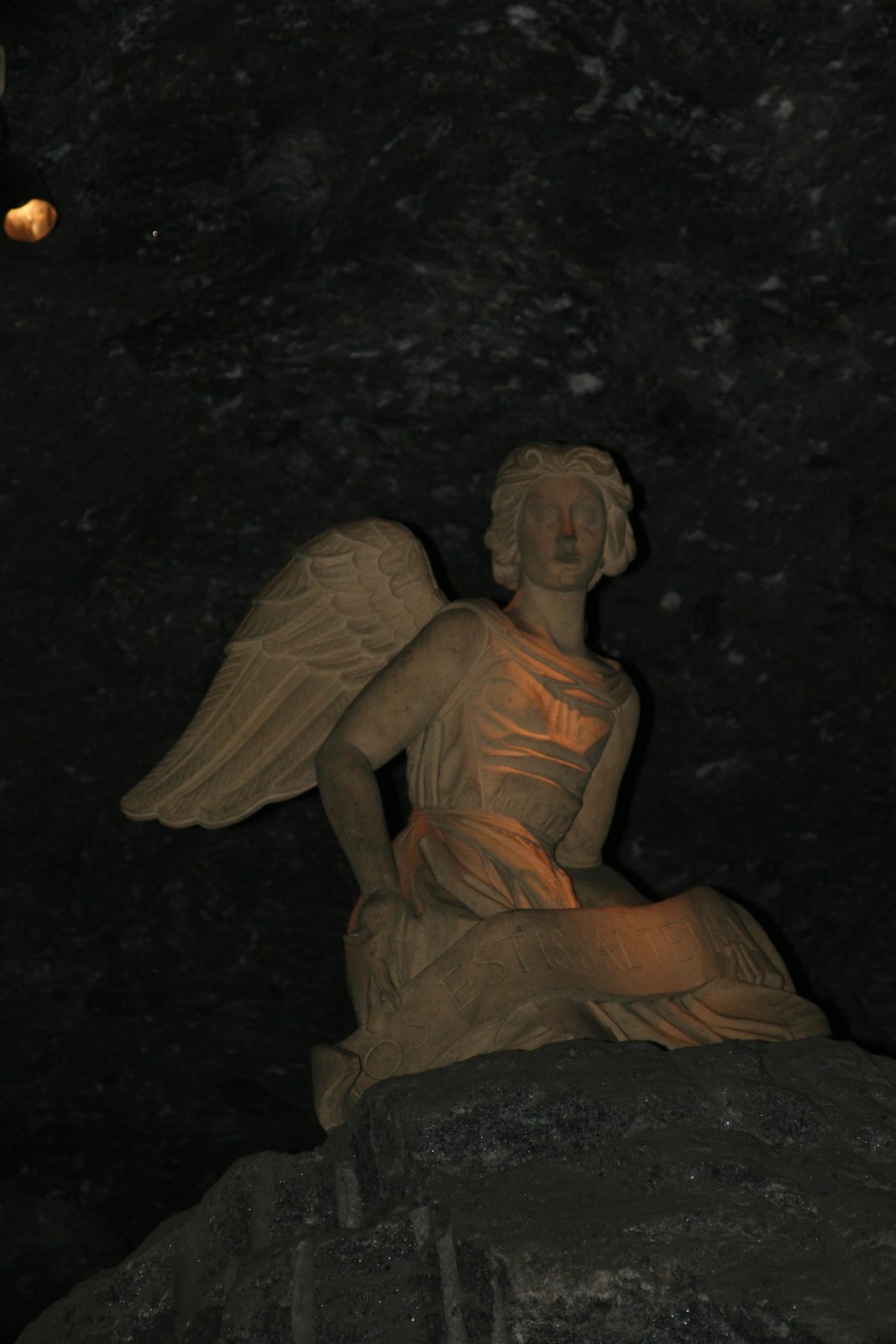
Some local summaries place the origin of the devotion "around 1920," while more detailed chronicles place the blessing and enthronement in 1923 and the first great feast in 1924. This site presents the devotion as arising in the early 1920s, with those two milestones as reference — see the Sources section.
Our Lady of Guasá today
In the current Cathedral, the Virgin still holds a special place: a Chapel of Our Lady of Guasá exists within the underground complex. She is not merely a historical figure: she is a present reality of the Cathedral's spiritual journey.
Zipaquirá's traditional memory holds that, in the Virgin's niche, the miners left 127 blasting holes in the rock as a signature of gratitude and a memory of those who took part in building the sanctuary.
Many visitors believe the Cathedral revolves only around the great cross. But something deeper happens spiritually: it all began thanks to a small image of the Virgin, venerated by men covered in salt who, before entering to work, would kneel and say: "Mother, protect me. Let me return alive to my family."