Fourteen stations, a spiritual descent
The Way of the Cross
On entering the Salt Cathedral, the pilgrim begins a spiritual descent before reaching the great central nave. The fourteen stations represent the path Jesus Christ walked from his condemnation to his burial. They are not simply sculptures: they represent an inner journey.
In the Cathedral, each station is carved directly into the salt rock, using light, shadow, and enormous crosses as symbolic elements. Each station invites the visitor to stop for a few minutes. The full walk measures 386 meters.
Because it symbolizes a spiritual descent. Before reaching the Risen Christ, one must first walk the path of suffering. It is a true pilgrimage — not merely a tourist route.
Jesus is condemned to death
Represents the beginning of the sacrifice. The darkness recalls the injustice of the world.
We do not have our own photograph of this specific station.
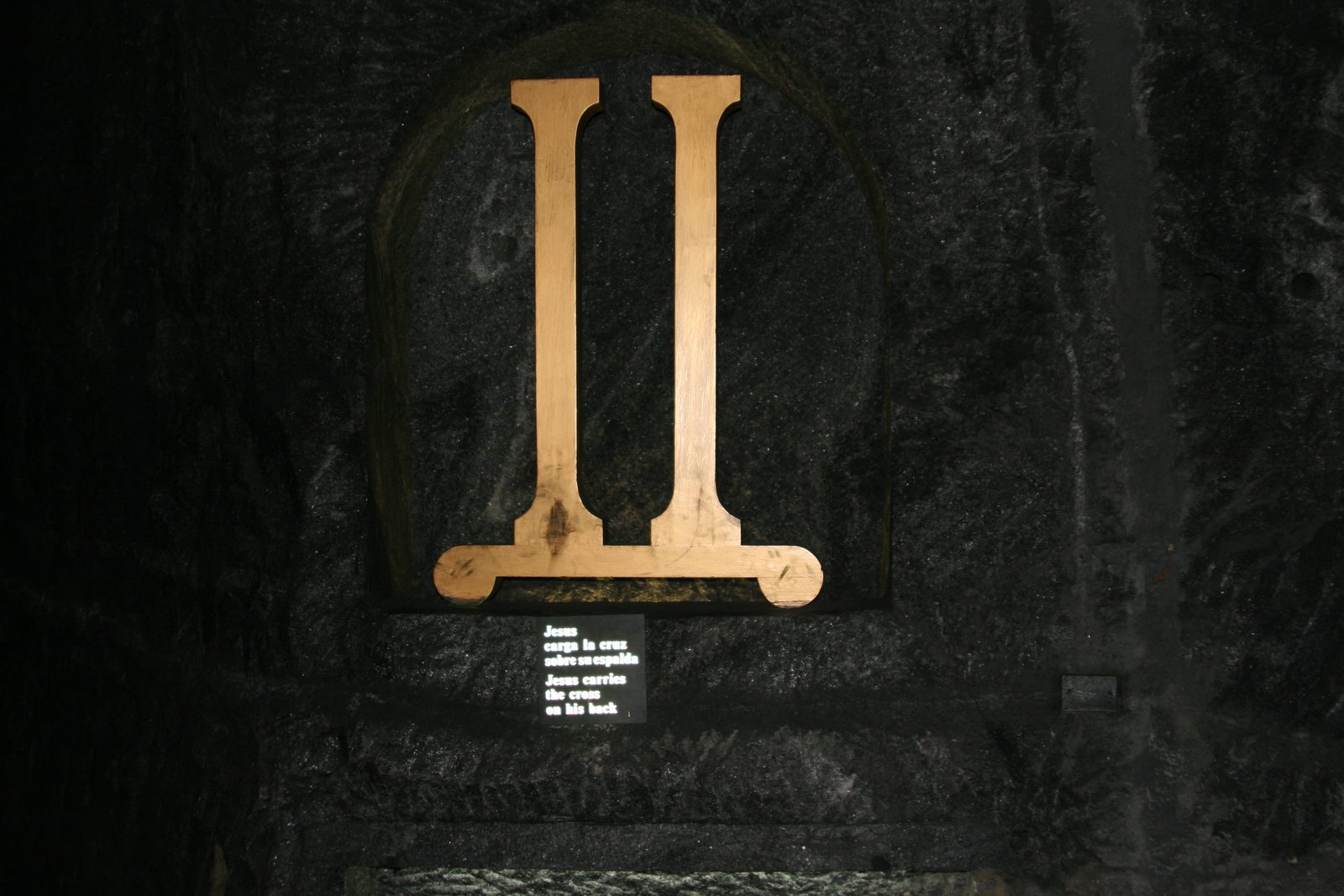
Jesus carries the cross
Symbolizes accepting the mission even when it seems impossible. Many miners identified with this moment because each workday meant carrying the weight of the mine.
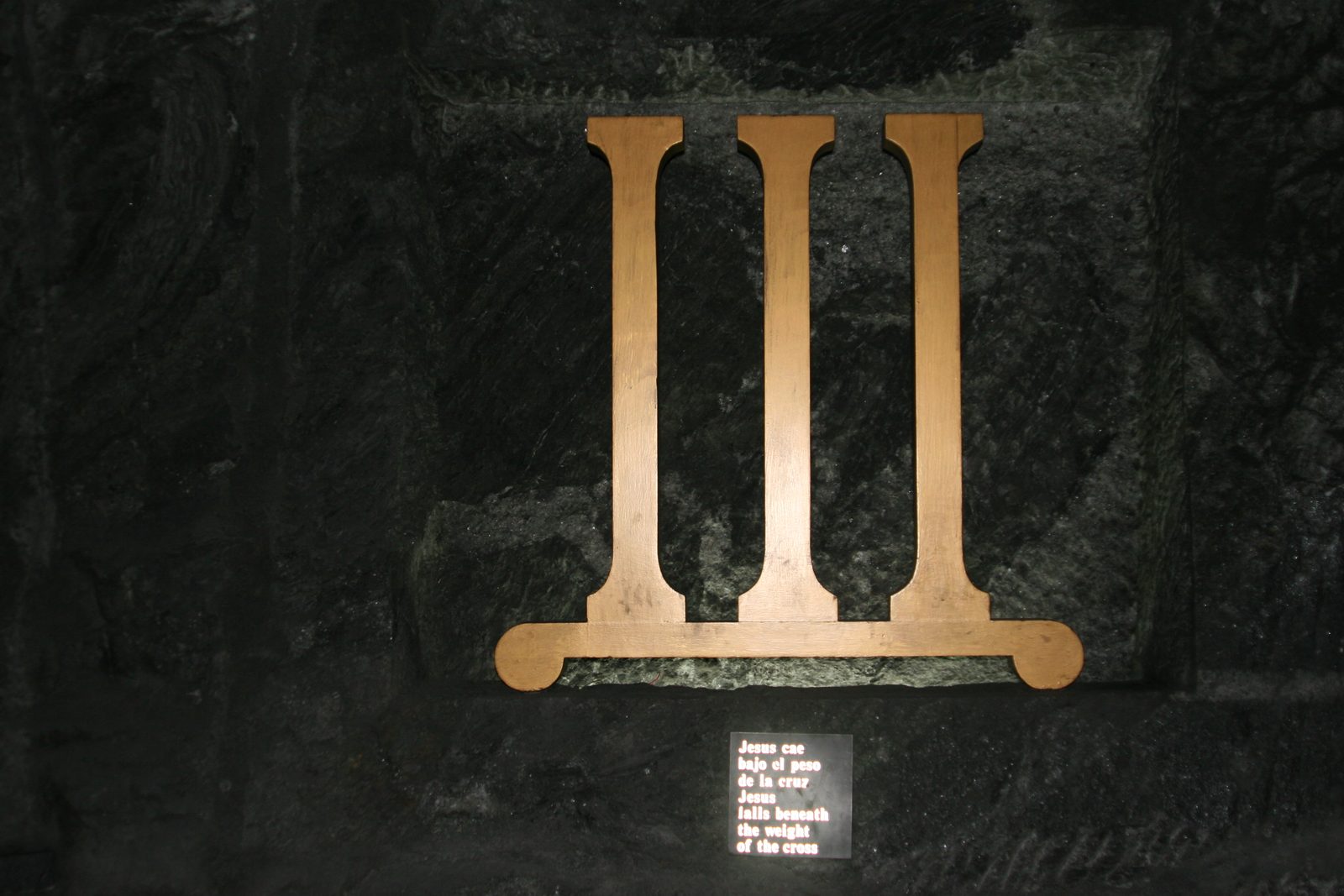
Jesus falls for the first time
The human being falls. But rises again. For the miners it was an image of perseverance.
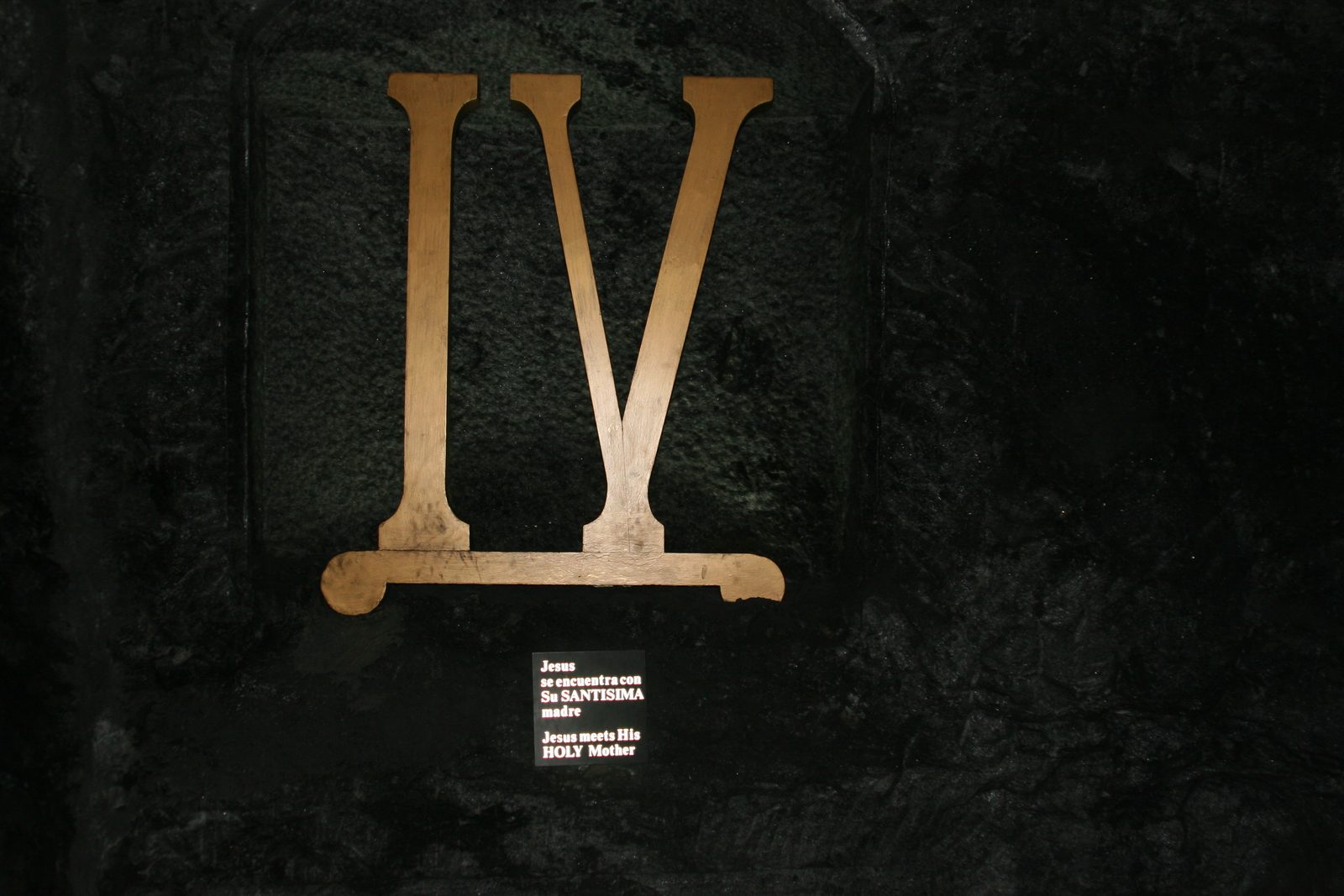
Jesus meets his Mother
Here Mary appears. She does not speak. She only accompanies. It is one of the most moving moments of the walk.
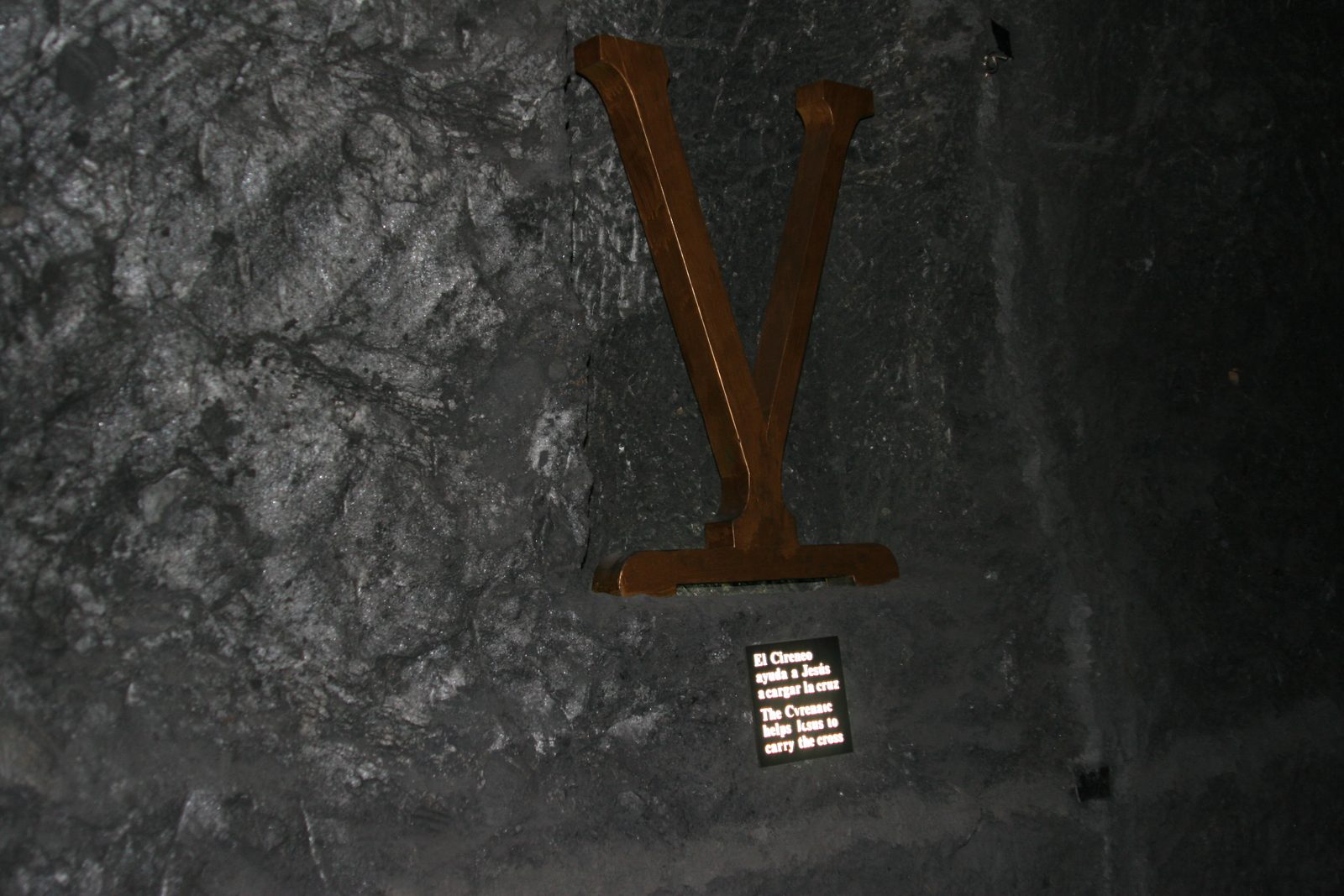
Simon of Cyrene helps Jesus
No one should carry the cross alone. Represents solidarity — a virtue very much of the mine workers.
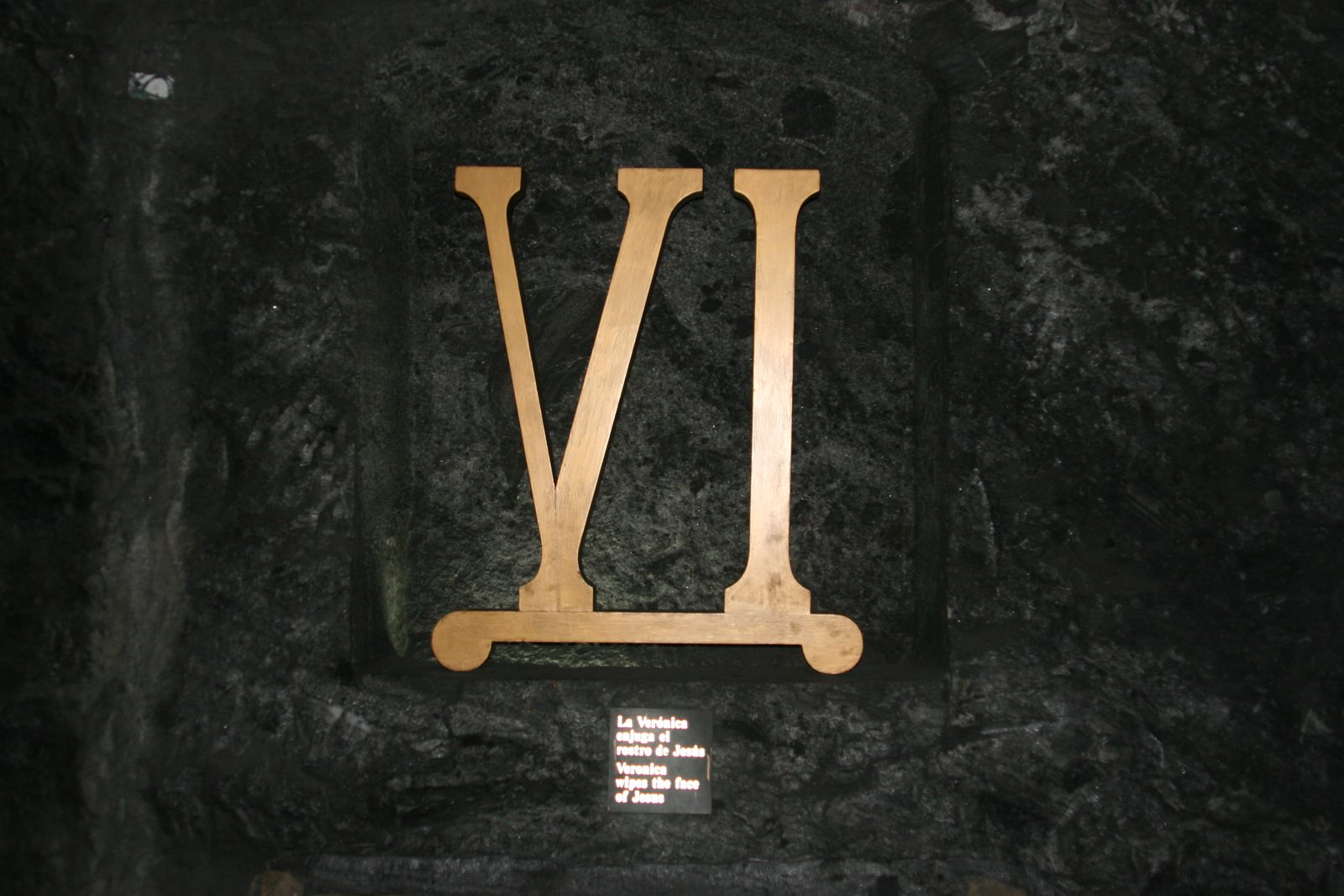
Veronica wipes the face of Jesus
A small gesture can carry enormous value. Represents compassion.
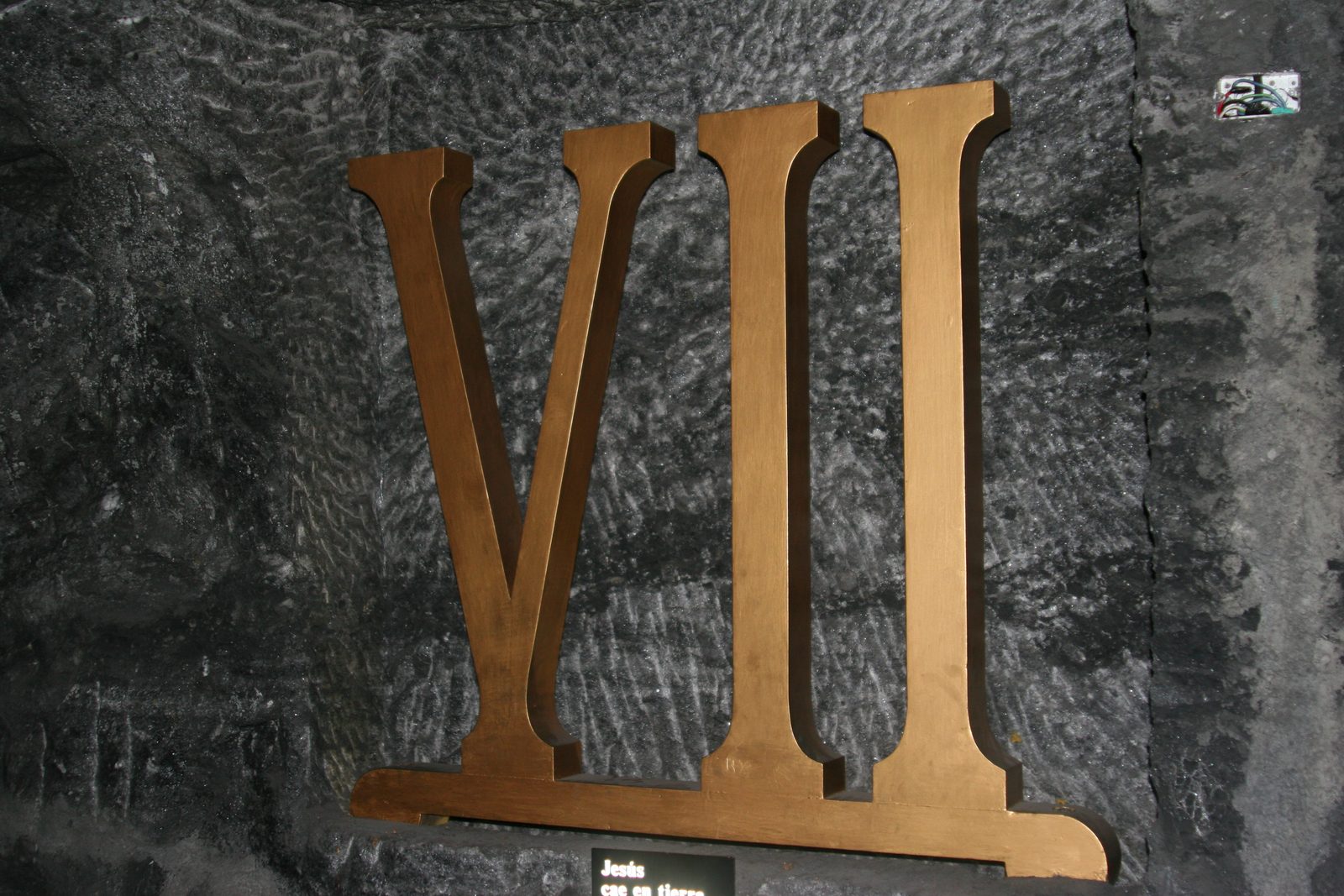
Jesus falls for the second time
The suffering continues. So does the hope.
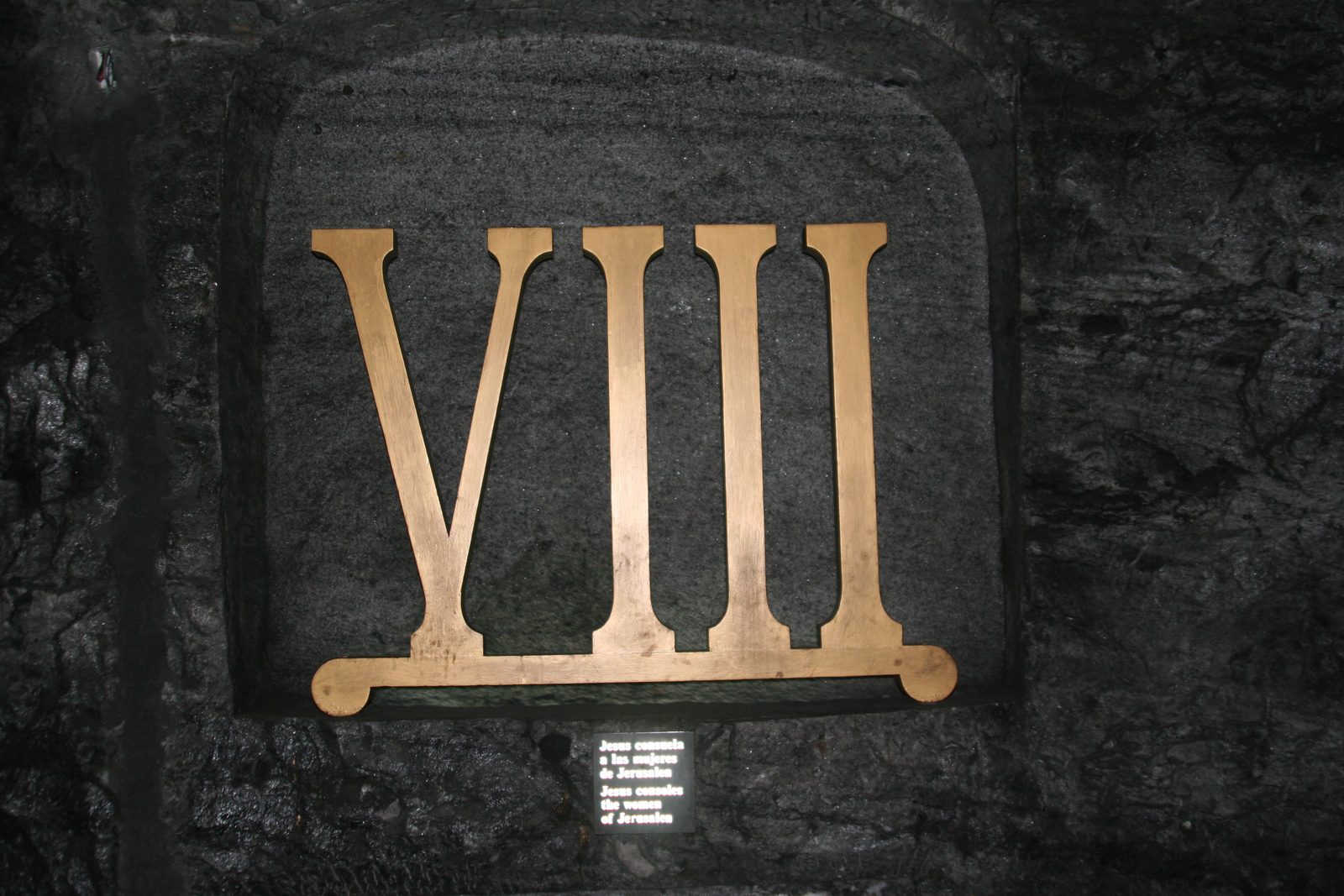
Jesus consoles the women of Jerusalem
Even while suffering, Jesus thinks first of others.
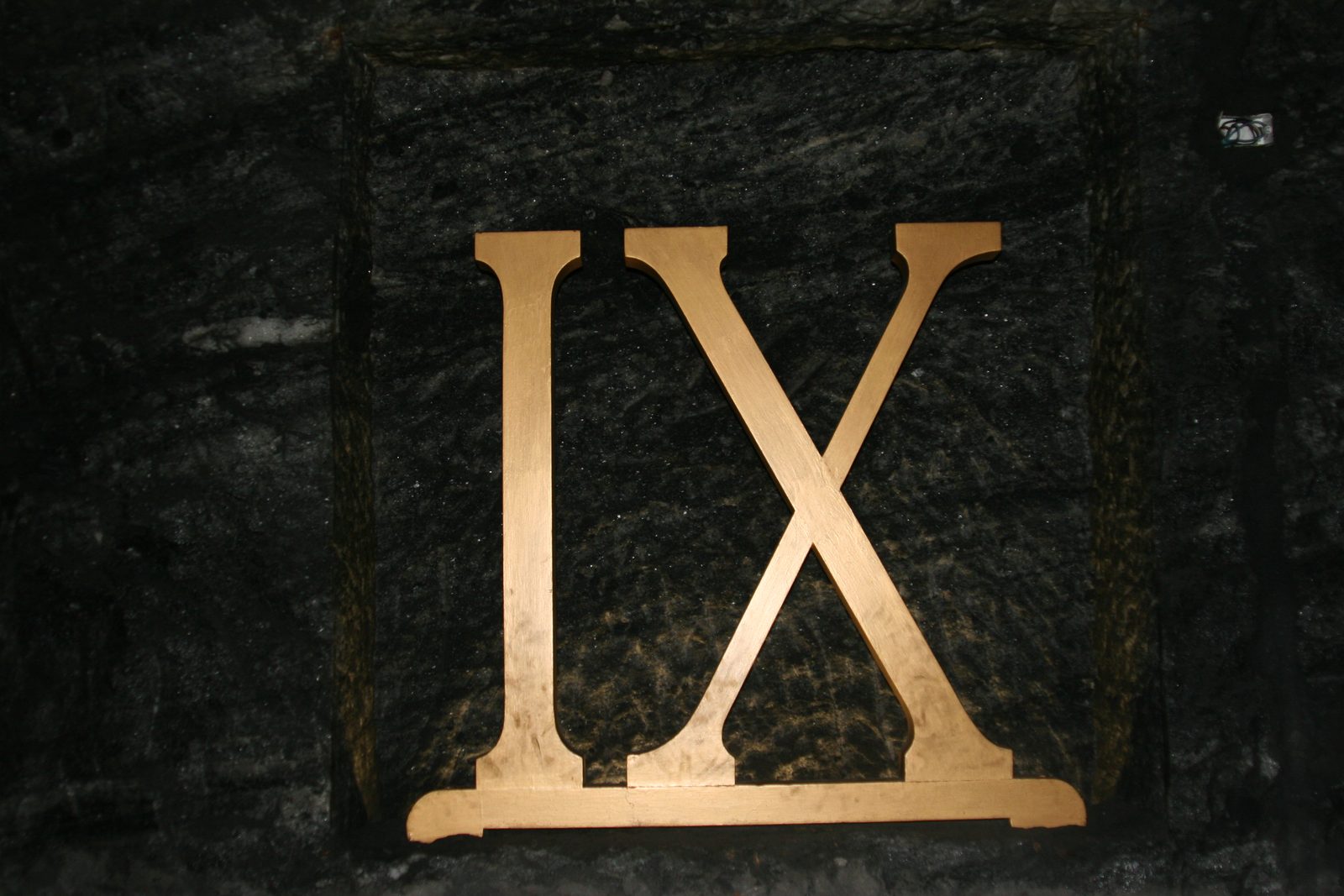
Jesus falls for the third time
The hardest fall. The closest to Calvary. Symbolizes the limit of human strength.
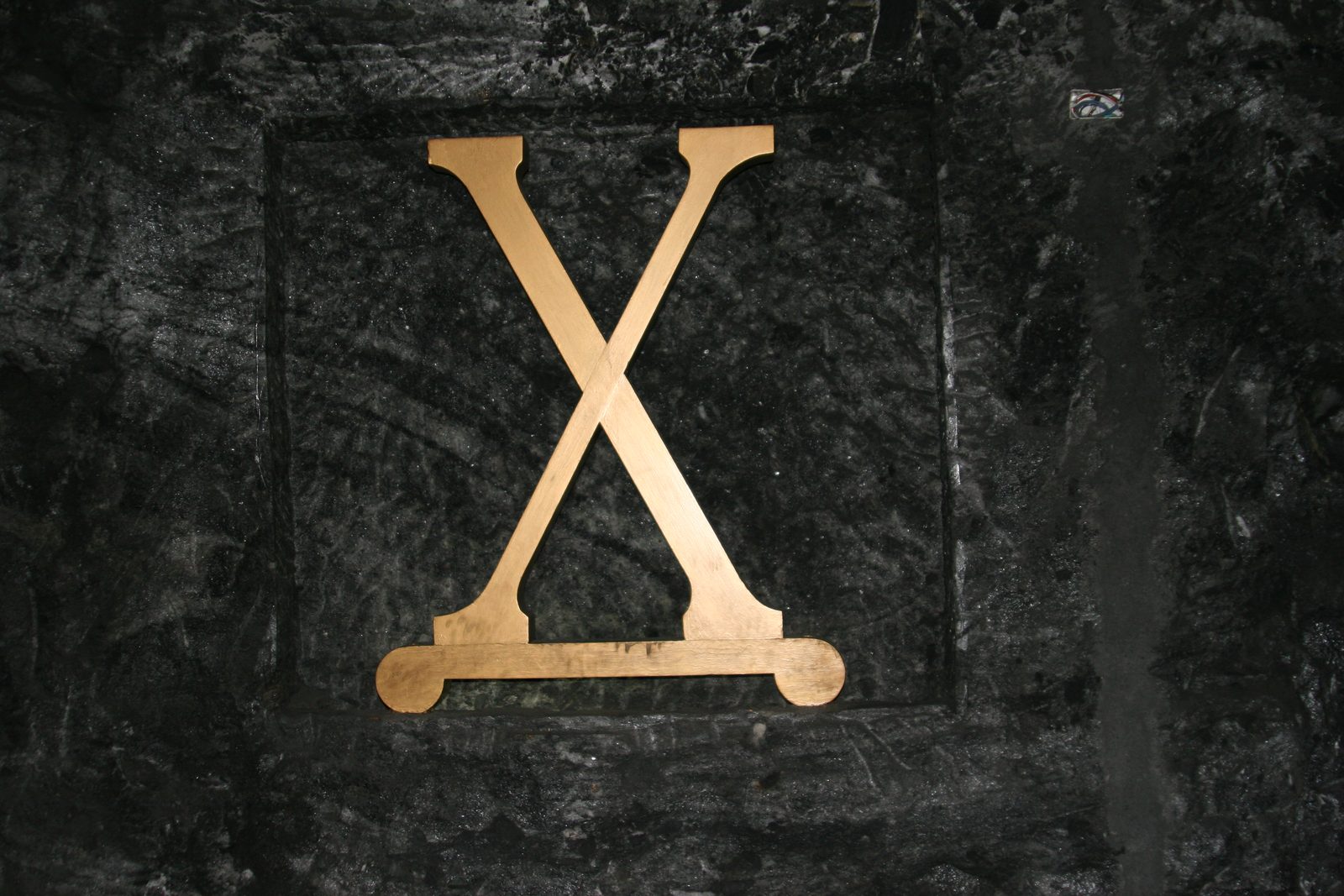
Jesus is stripped of his garments
Represents detachment. The loss of everything.
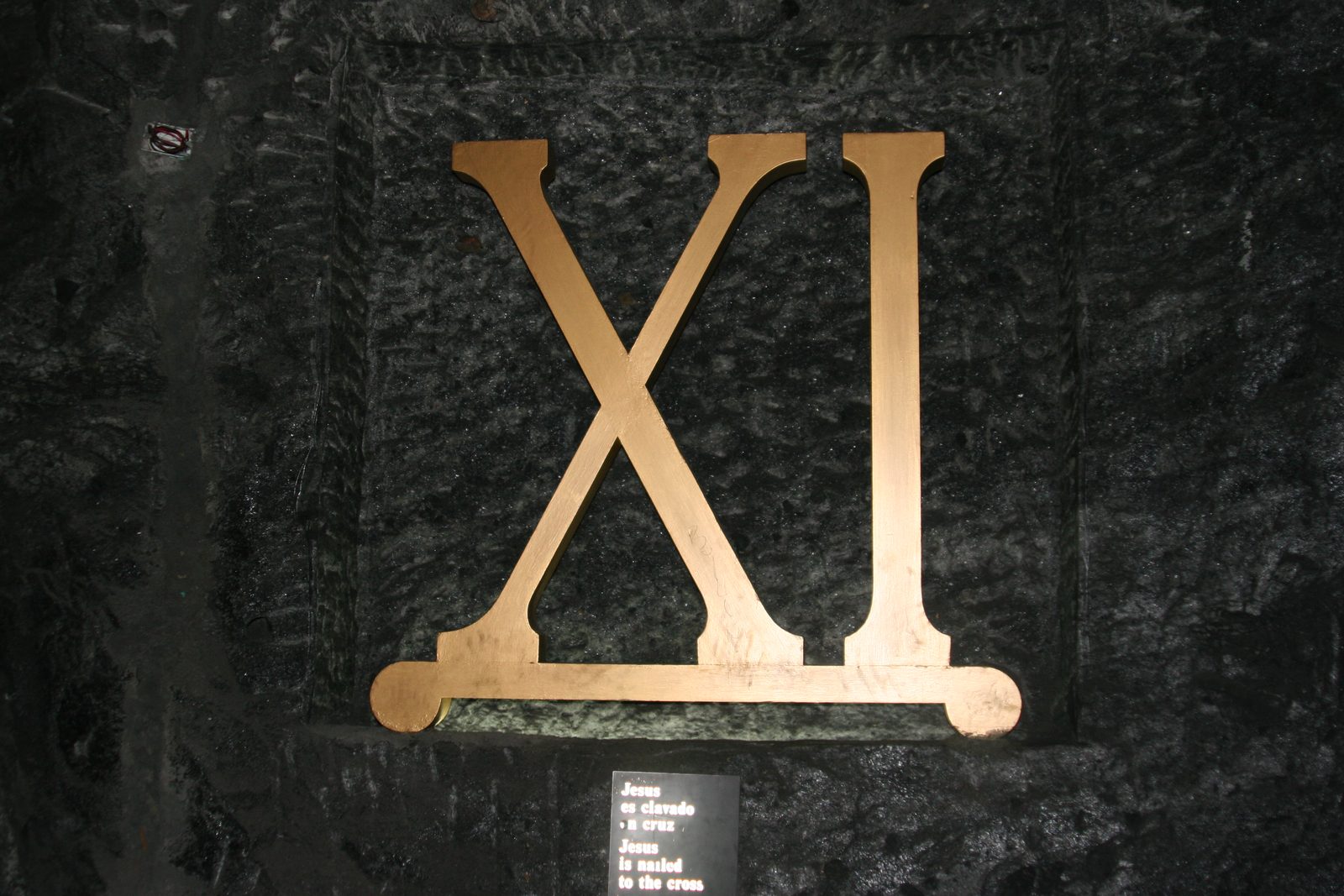
Jesus is nailed to the cross
The definitive sacrifice.
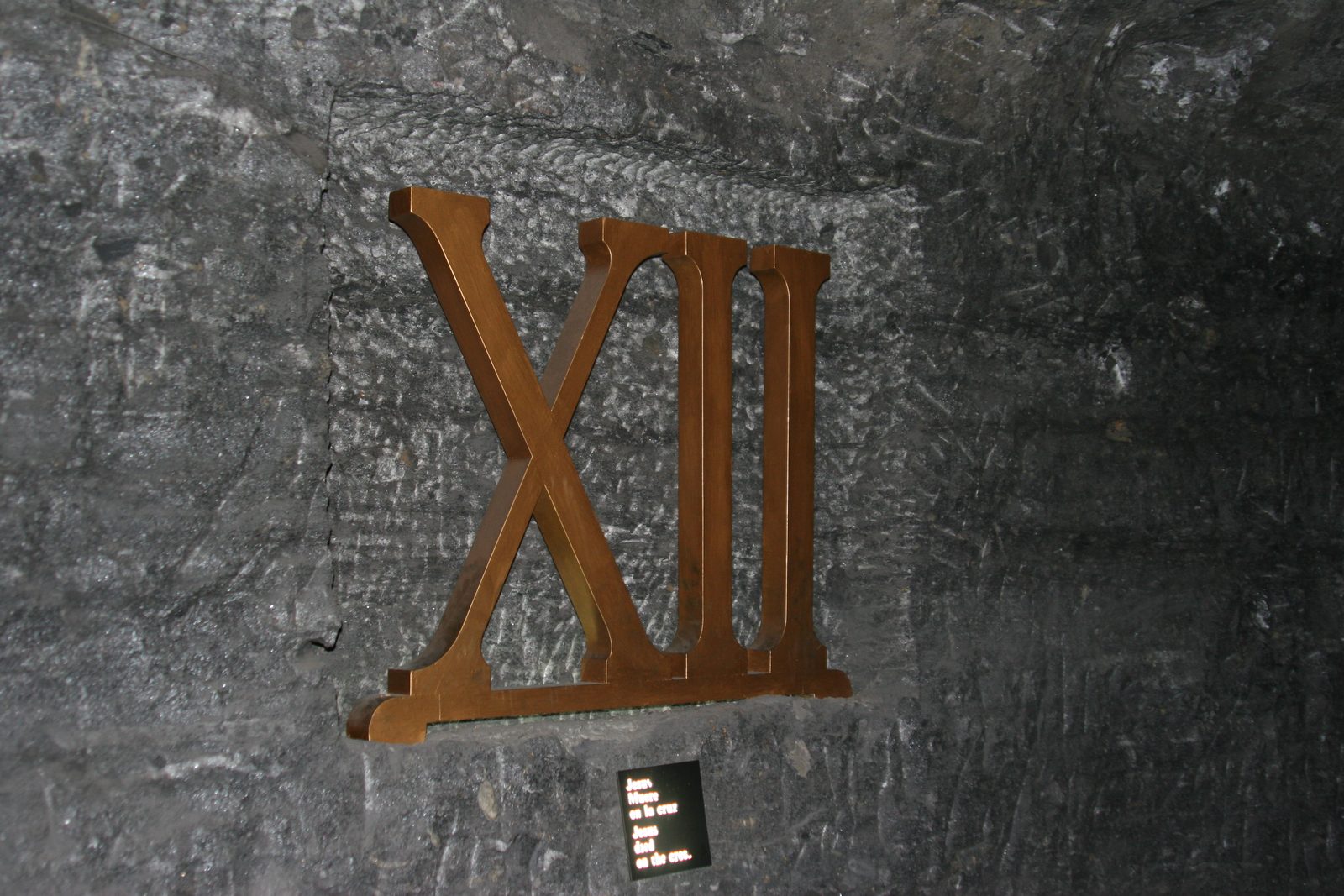
Jesus dies on the cross
The central station of sorrow. Many people remain several minutes in silence.
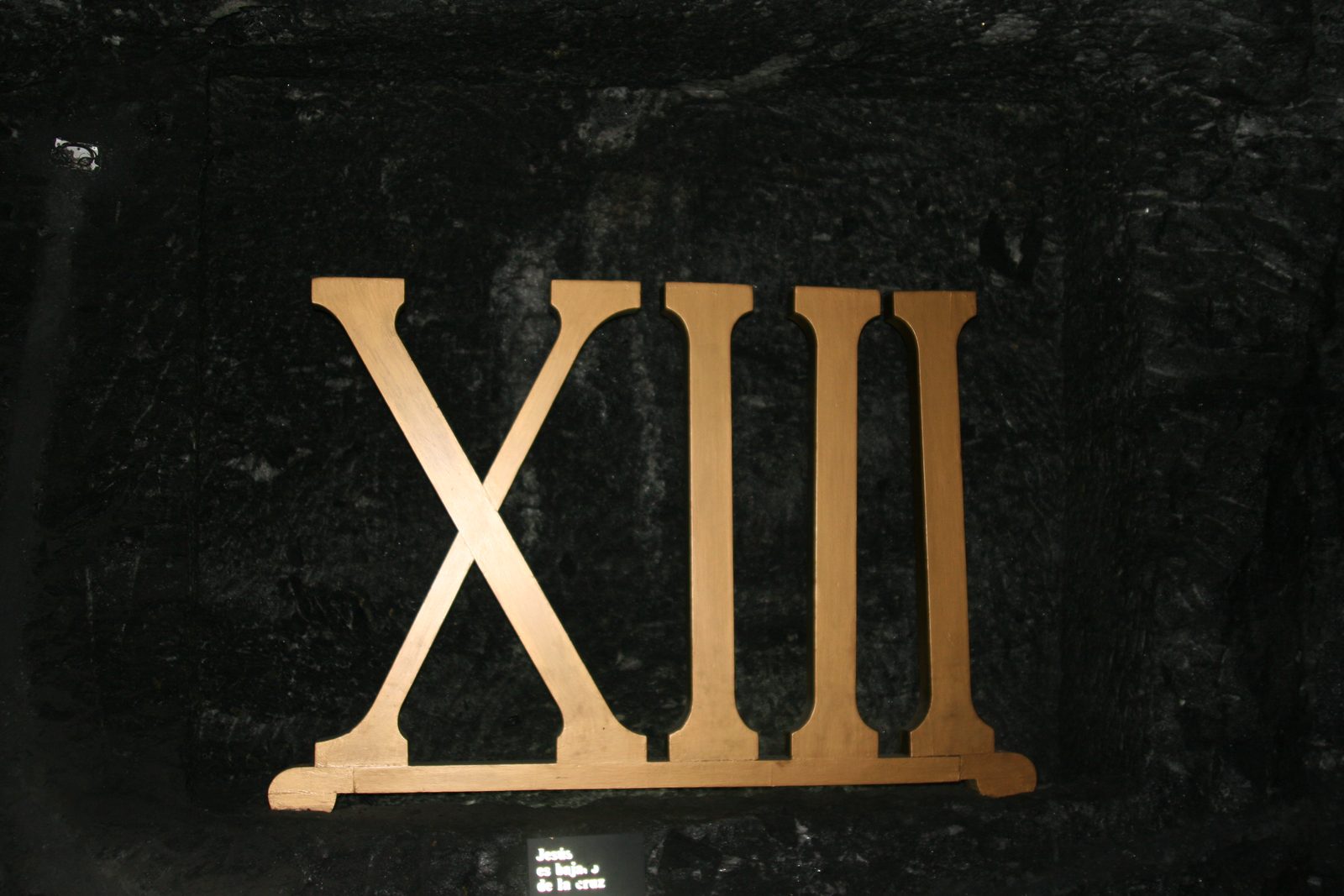
Jesus is taken down from the cross
Mary receives her son once more. The Pietà.
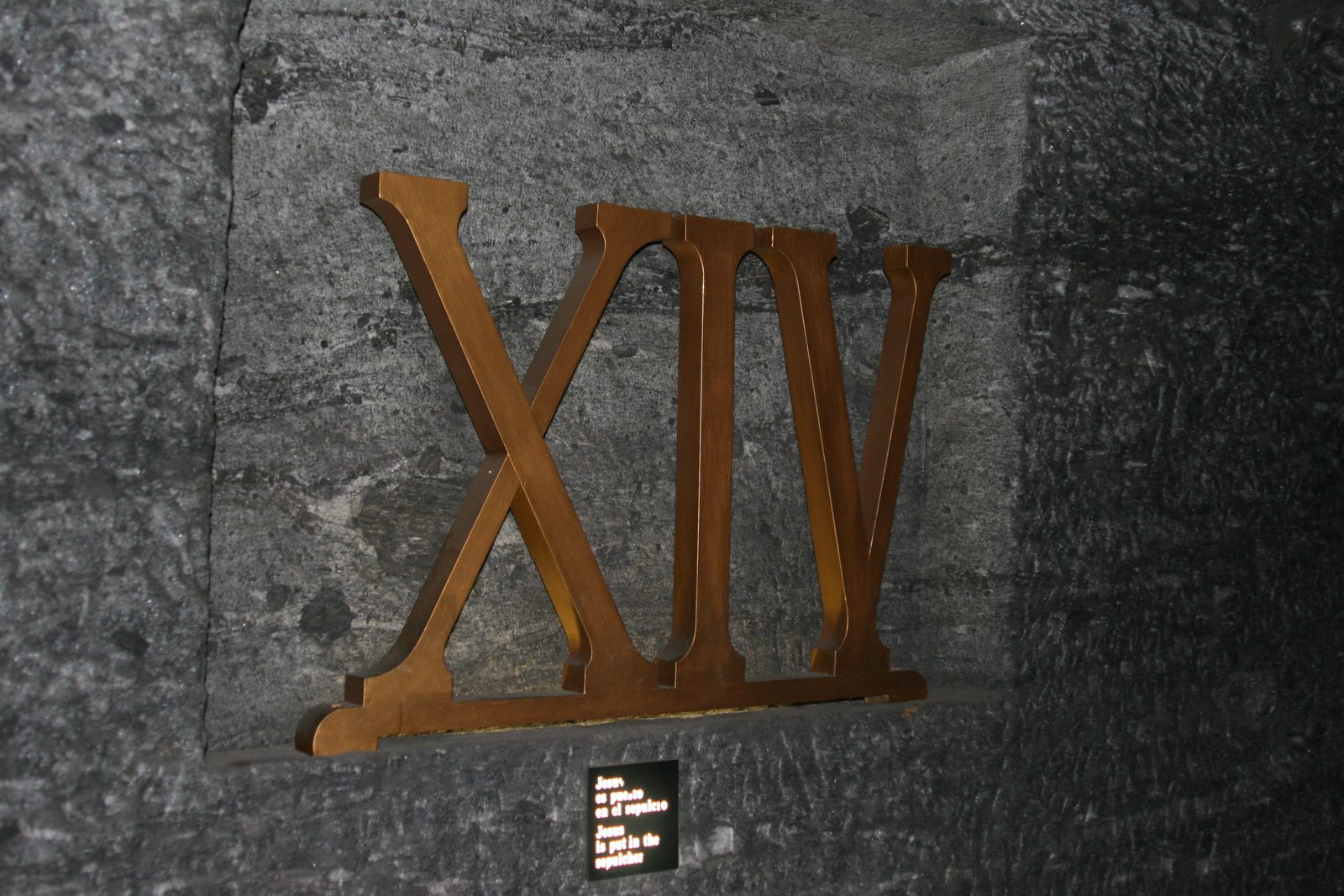
Jesus is placed in the tomb
The walk ends in silence. But it also announces the Resurrection. That is why the visitor continues walking toward the great Cathedral.